
A Guide to Learning Spanish for Children: A Complete Strategy to Help Your Child Easily Master a Third Language
Enrolling your children in Spanish language classes is not just about learning a new language; it's a wise investment in broadening their global perspective and developing their intellectual abilities. This guide will detail the benefits of children learning Spanish, the best learning methods for different ages, and provide practical advice to help you plan the most effective learning path for your child.
The main points of this article
Cognitive advantages : Learning Spanish can significantly improve children's problem-solving skills, creativity, and memory.
Academic Enhancement : Gain an advantage in international curricula such as IB and IGCSE, adding value to admission to top universities.
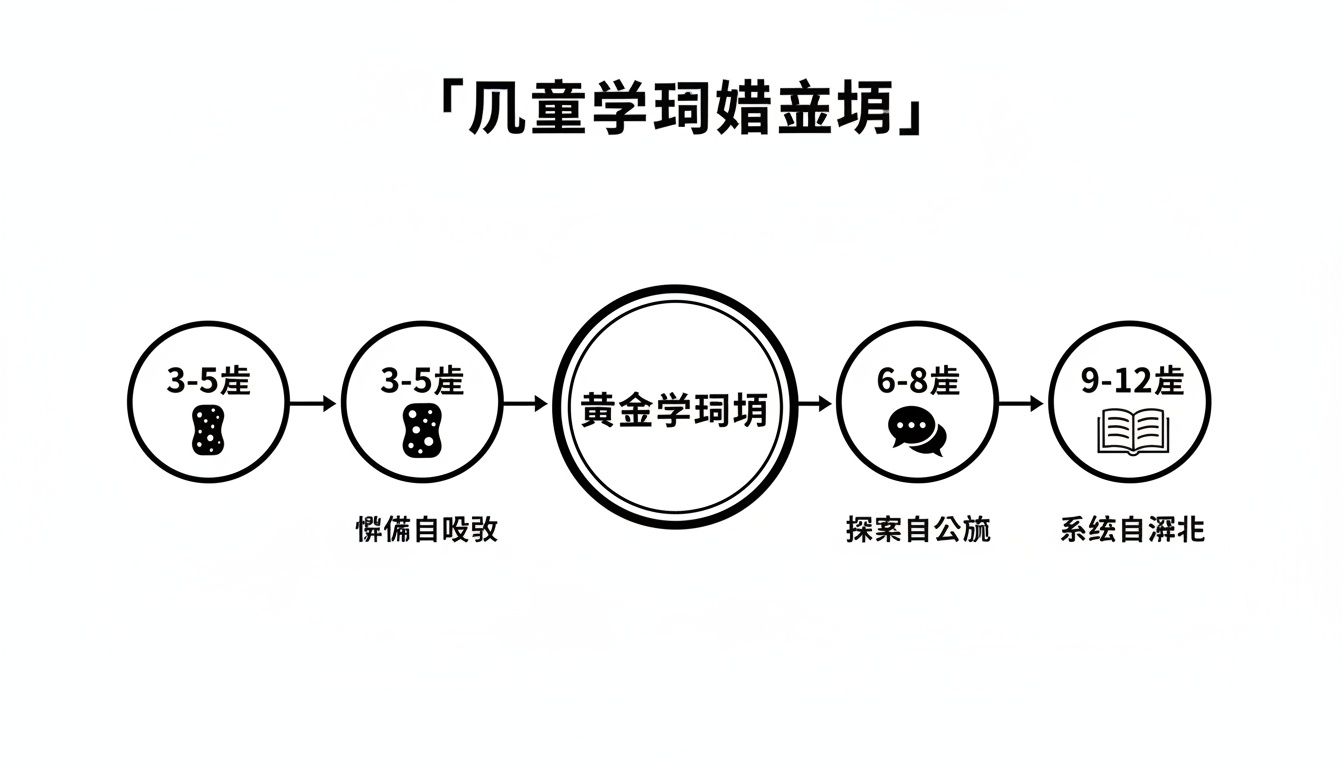
Golden period : Master the learning focus for ages 3-5 (language development period), 6-8 (confidence development period), and 9-12 (logic development period).
Teaching methods : Understand the differences between immersive, situational dialogue, and gamified learning methods, and how to choose the right one.
Family support : Even if parents don't understand Spanish, they can easily create a learning atmosphere at home.
Who is this guide for?
Hong Kong parents are considering enrolling their children aged 3-12 in foreign language courses.
Parents who want to know how to help their children learn Spanish at home.
Parents who want to give their children a long-term advantage in international curricula such as IB and IGCSE.
Ready to open the door to a new world for your child? The Hong Kong Spanish Cultural Association boasts over 30 experienced mother tongue teachers, providing professional small-group instruction. WhatsApp us now to inquire about a free trial lesson and plan the best learning start for your child.
Why is learning Spanish for children a wise investment?
In Hong Kong, parents are always looking for extra competitive advantages for their children, and learning Spanish is an excellent choice that breaks out of traditional frameworks. The influence of Spanish far exceeds what we imagine; it is not only the mother tongue of more than 500 million people worldwide, but also one of the official languages of the United Nations, holding a significant international position.
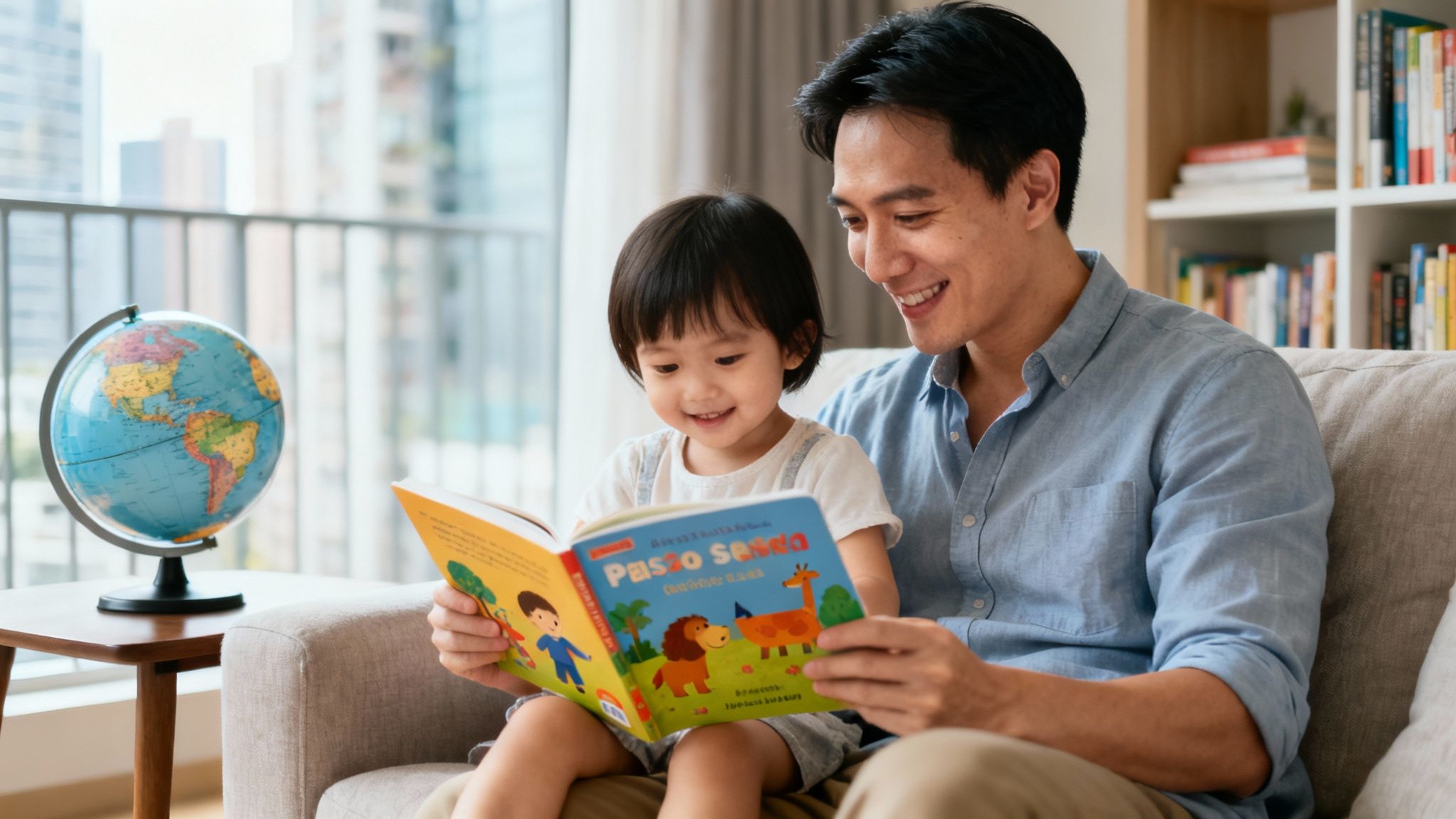
Enhance brainpower and cognitive development
Learning a new language during childhood is like giving your brain an intensive workout. Many studies have shown that multilingual children perform better in a variety of cognitive abilities.
They have stronger problem-solving abilities : they need to constantly switch between different language systems, which inadvertently trains the brain's flexibility and executive functions.
More creative : Exposure to different language structures and cultural ways of thinking can inspire children to see things from multiple perspectives, and their ideas will naturally become more flexible.
Better memory : Learning new words and grammar rules is itself the best exercise for memory.
This cognitive advantage is not only reflected in the learning of Spanish, but can also be transformed into the learning ability of other subjects, such as mathematics and science, enabling children to achieve a higher level of overall academic performance.
Establish a unique academic advantage
With the increasing popularity of international courses such as IB Spanish and IGCSE in Hong Kong, mastering a mainstream foreign language has become an important asset for further education. As a popular elective, Spanish can add a bright touch to a child's resume, helping them stand out among many candidates and naturally attracting the attention of top universities.
In fact, the Hong Kong education system is increasingly emphasizing multilingual learning. Under the government-led "Other Languages Pilot Scheme for Junior Secondary Schools," interest in learning Spanish is gradually growing. According to the Education Bureau, the scheme encourages schools to offer courses such as Spanish to broaden students' horizons, and the number of students enrolled is steadily increasing, demonstrating its value in local education is widely recognized.
To help parents better understand the value of children learning Spanish, we have summarized its core advantages as follows:
Four Core Values for Children Learning Spanish
This table summarizes the core advantages of children learning Spanish in terms of personal development, academic achievement, cultural perspective, and future opportunities, making it easy for parents to understand.
Category | Specific advantages |
|---|---|
Personal Development | It enhances problem-solving skills, creativity, and memory, promoting the comprehensive development of brain cognitive functions. |
Academic achievements | A strong performance in international exams such as IB and IGCSE provides a significant advantage for gaining admission to top local and overseas universities. |
Cultural perspective | Open the door to understanding Spanish and Latin American culture, and cultivate cross-cultural communication skills and empathy. |
Future opportunities | Mastering the world's second most spoken language provides an irreplaceable competitive advantage, whether for further education, international exchange, or entering the workforce. |
As this table shows, the benefits of learning Spanish are comprehensive and long-term.
Mastering another language opens another window for children to understand the world. This is not just for exams or further education, but also for cultivating them into global citizens with empathy and cross-cultural communication skills.
In the long run, the returns on this investment are enormous. Whether for future education, international exchange programs, or career advancement, fluent Spanish will be an irreplaceable and invaluable asset. If you are interested in the growing popularity of Spanish in Chinese-speaking regions , you can read more.
Mastering the golden learning period at different age stages
Every child is a unique learner, and their absorption capacity and learning focus evolve as they grow mentally. The key to planning the most effective Spanish learning path for your child lies in understanding and seizing the "golden learning period" at different ages, coupled with the most suitable strategies, which will naturally lead to twice the results with half the effort.
Linguists generally believe that children's brains are particularly sensitive to the sounds and grammatical structures of language during a specific period. This time is like an open door, allowing them to absorb a new language effortlessly. Of course, missing this golden period doesn't mean they can't learn it, but it may require more effort to consciously memorize and understand it.
Early childhood (3–5 years): The "sponge stage" of language development
Children aged 3 to 5 are in a period of explosive language development. Their brains are like a giant sponge, naturally absorbing all kinds of sounds and intonations they hear, and unconsciously developing a feel for the Spanish language.
The focus at this stage is not on how many words a child memorizes or how much grammar they understand, but rather on cultivating their interest in the language and building a positive emotional connection. Learning should be fully integrated into play and sensory experiences.
Teaching focus : Through the melodies of Spanish nursery rhymes, vivid and interesting picture book stories, and physical games, children will directly associate Spanish with feelings of "fun" and "happiness".
How can parents cooperate? Play upbeat Spanish nursery rhymes as background music at home, or incorporate simple Spanish words such as "hello" and "thank you" during playtime to create a relaxed and stress-free language environment.
Children of this age learn with their ears and bodies. They don't analyze grammar; they simply imitate and absorb it. Therefore, providing an environment filled with Spanish sounds is far more important than forcing them to memorize words.
Early primary school period (6–8 years old): The "opening period" for building self-confidence
Upon entering primary school, children's cognitive abilities and concentration improve significantly. They begin to understand more complex concepts and are eager to express their thoughts in language.
The goal at this stage is to transform the established language sense into practical communication skills. The focus is on encouraging them to speak boldly and build confidence in using Spanish. Classroom activities should be designed around familiar life situations to make the language "useful."
Teaching focus : Through role-playing (such as simulating ordering food in a restaurant or introducing one's family) and simple question-and-answer interactions, children can naturally practice speaking in a stress-free environment.
How can parents participate? Try incorporating Spanish into everyday conversations, such as asking your child "¿Qué quieres comer?" (What do you want to eat?), and encourage them to respond with single words or simple phrases. For bedtime stories, you can also choose bilingual picture books that include Spanish vocabulary.
Upper primary school years (9–12 years old): The "Logical Period" of Exploring Structure
By the time children reach the upper elementary school stage, their abstract thinking abilities have matured, and they are ready to receive more systematic language learning. Their curiosity and logical thinking enable them to begin exploring the rules and structures behind language.
At this point, we can gradually introduce some basic grammar concepts and begin to cultivate reading and writing skills, laying a solid foundation for meeting academic requirements such as IB or IGCSE in the future. Of course, keeping learning interesting remains the best way to maintain motivation.
Teaching focus : Subtly integrate basic grammar instruction, such as verb conjugation or noun masculine and feminine forms, into engaging interactive games. At the same time, introduce leveled readers to encourage independent reading and expand vocabulary.
How can parents cooperate? Encourage children to watch Spanish children's movies or cartoons with Chinese subtitles, or have a vocabulary challenge together as a family using a language learning app, turning learning into a fun family competition.
The courses offered by the Hong Kong Spanish Cultural Association are meticulously designed according to the Common European Language Reference Standards (CEFR) to ensure that the most suitable teaching content and methods are provided for children of different ages. To learn more about how our early childhood Spanish courses (ages 3-5) build a strong foundation in language, please visit our website for more information.
Which teaching method is most likely to ignite a child's passion for Spanish?
With a wide variety of Spanish language courses for children available on the market, what parents most want to know is which teaching method is best suited for their child. Choosing the right method not only leads to greater efficiency but is also the crucial first step in igniting a child's lifelong passion for languages.
Currently in Hong Kong, the mainstream teaching models revolve around three core concepts: immersive teaching, situational dialogue, and gamified learning. Each of these methods has its own merits, and the most outstanding courses often know how to integrate their essence together.
1. Immersion teaching method
Imagine learning a language instead of sitting in a classroom and memorizing by rote, as if you were jumping into a language "pool". This is the core concept of immersion teaching method - the teacher speaks 100% Spanish in the classroom, creating an authentic language environment for children as if they were in Spain.
The brilliance of this method lies in allowing children to naturally "absorb" Spanish through observation, imitation, and interaction, much like how we learn our mother tongue. The child's brain doesn't first perform a "Chinese-to-Spanish" conversion; instead, it directly connects Spanish words with the objects or actions before their eyes. It may take a little time to adapt at first, but in the long run, its effect on cultivating an authentic language sense and accent is unparalleled.
2. Communicative Approach
The situational dialogue method, simply put, emphasizes "learning by doing." After all, the ultimate purpose of language is communication. Therefore, classroom activities are designed around various real and relatable situations.
Learning a language shouldn't just be about passing exams, but about giving children the ability to communicate in the real world. Situational dialogue is precisely the bridge that transforms textbook knowledge into practical skills.
Teachers design various role-playing activities, such as simulating ordering food in a Spanish restaurant, buying fruit at a market, or introducing oneself to a new friend. Through these interactions, children not only learn vocabulary and sentence patterns, but more importantly, they learn how to speak confidently in different situations.
3. Gamification
For children, "fun" is always the greatest motivation for learning. Gamified learning cleverly integrates teaching objectives into various fun games and competitions, allowing children to complete learning tasks unconsciously amidst laughter.
Vocabulary Contest : Engage in an exciting vocabulary quiz using an interactive whiteboard or tablet app.
Grammar Treasure Hunt : Hide cards representing different parts of speech (nouns, verbs) in the classroom, and have the children work in groups to find and piece together complete sentences.
Story relay : The teacher starts, and each child takes turns writing a sentence in Spanish, creating a unique story together.
This edutainment approach effectively captures children's attention, making potentially dry knowledge points vivid and fun.
To help parents better understand the differences between the various methods, we have compiled the following comparison table:
Comparison of Spanish teaching methods for children
This table provides a detailed comparison of the features, advantages, and challenges of the three main teaching methods, as well as which types of children each method is best suited for. It aims to help you make the wisest choice based on your child's personality and learning style.
Teaching methods | Key Features | advantage | Suitable child types |
|---|---|---|---|
Immersion teaching | The classroom uses the target language 100% of the time , creating a Spanish-language environment. | It can cultivate the purest language sense and accent, allowing children to get used to thinking in Spanish, rather than translating. | Suitable for children who are adaptable, unafraid of challenges, and enjoy learning through exploration. |
Situational dialogue (Communicative) | Role-playing and interaction are conducted around real-life scenarios (such as shopping and ordering food). | It is highly practical and can quickly improve children's communication confidence and practical application skills. | Suitable for children who enjoy interaction, are outgoing, and eager to apply what they have learned immediately. |
Gamification | Integrate vocabulary, grammar, and other learning objectives into games, competitions, and story creation. | It is highly engaging and can effectively enhance learning motivation and concentration while reducing learning pressure. | It is suitable for almost all children, especially younger children who need to be guided through fun. |
In general, there is no single "best" method; the ideal approach is to combine all three. A good course should have an immersive environment, contextualized exercises, and a gamified approach throughout, making learning both effective and fun.
At the Hong Kong Spanish Cultural Association, our children's courses integrate the essence of these three teaching methods. Led by experienced native language teachers , the courses are conducted in small classes of up to six children, ensuring that each child steadily improves their Spanish skills in a joyful atmosphere through diverse activities.
How to choose the right Spanish language course for your children?
Want to choose the best Spanish course for your children and take the first step to inspire their language talents? There are so many choices out there, what should parents choose first and most wisely? This is definitely not just a simple comparison of tuition fees, but requires an in-depth understanding of everything from teachers, class size to course design.
Evaluation Core 1: Teacher Quality and Teaching Experience
When choosing a course, the first thing to look at must be the background of the teacher. An excellent children's Spanish teacher must not only be a native speaker to ensure that children learn the purest accent and authentic usage; more importantly, they must have rich experience in teaching children.
Know how to interact with children, how to stimulate their curiosity, and how to create a relaxed and interesting classroom atmosphere - these teaching skills are far more important than a piece of sandpaper.
Assessment Core 2: The Importance of Class Size
How many students there are in a class directly affects how much attention each child gets. If the class is taught in a large class, children who are more introverted or whose learning progress is slower will easily be ignored. Therefore, small class teaching is absolutely the key to ensuring the quality of learning.
The ideal class size should be no more than 6-7 people. In this environment, teachers can truly understand each child's learning style and progress, so as to provide the most personalized guidance. At the same time, children have more opportunities to interact and practice.
At the Hispanic Cultural Association of Hong Kong, we insist that all children’s classes have a maximum of 6 students per class. We firmly believe that only in a small class environment and our team of more than 30 professional native language teachers can we truly teach students in accordance with their aptitude and ensure that each child receives the most comprehensive attention and guidance.
Evaluation Core 3: Is the curriculum design both interesting and systematic?
A good course must strike a perfect balance between fun and system. If the course content is purely about fun, children may not learn deeply enough; but if it is too academic and rigid, their interest in learning will quickly disappear.
Parents can understand that the curriculum is designed in accordance with internationally recognized language frameworks (such as CEFR) to ensure that the learning path is clear and can be upgraded step by step. At the same time, there should also be a large number of interactive games, singing, and role-playing elements in the classroom to truly achieve "play while learning, and learn through play."
Evaluation Core 4: Location and Mode of Class
The location is convenient and can definitely help parents and children save a lot of time and energy. Choose a school building with convenient transportation and close to the MTR station, so that you don't have to travel and travel, and studying will be easier. The school building of the Spanish Cultural Association of Hong Kong is located in the transportation hubs of Tsim Sha Tsui and Causeway Bay. It is very convenient whether you live in Hong Kong, Kowloon or the New Territories.
In addition to location, you can also consider whether the school offers flexible options between face-to-face and online courses to meet the needs of different families.
Evaluation Core 5: School Reputation and Support
Finally, the school’s reputation and the evaluations of other parents are important reference indicators. A trustworthy language school usually has a good teaching reputation and complete after-school support, such as having dedicated personnel to follow up on learning progress, regular communication with parents, etc.
To sum up, choosing a Spanish course for children is a decision that requires comprehensive consideration. If you are still worried about " where is the best time to learn Spanish ", you might as well start from the above five core points to help your children find learning partners who can best inspire their potential!
Create a Spanish learning environment easily at home
To truly cultivate a child's love for Spanish, the learning battlefield shouldn't be limited to just one or two hours of classroom instruction each week. Truly wise parents know how to subtly sow the seeds of language within the soil of daily life. Creating a relaxed and fun Spanish-speaking environment at home is undoubtedly the best catalyst for consolidating classroom knowledge and igniting a child's continued enthusiasm.
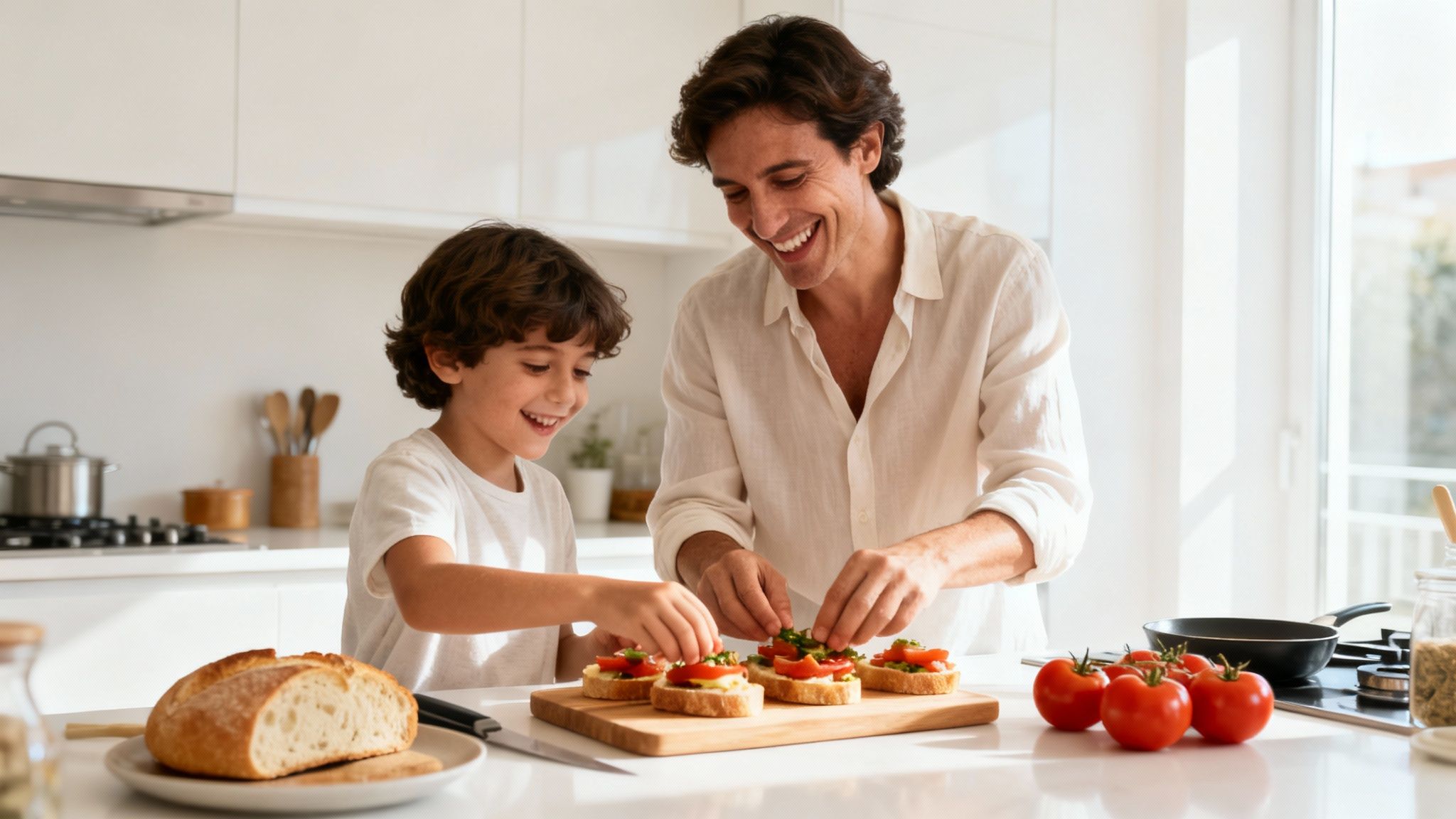
Best of all, these methods don't require parents to be fluent in Spanish. Your role is more like a "learning partner" and "cheerleader" for your child. The key is to create a positive and encouraging environment that allows your child to try new things and not be afraid of making mistakes.
Make good use of digital resources to integrate into life
These days, accessing authentic Spanish resources is incredibly easy. Parents can make good use of the following tools to integrate Spanish into their children's lives.
Cartoon Time : Instead of watching Cantonese dubbed cartoons, try playing original Spanish animated films. The globally popular "Pocoyó" is an excellent choice. Its dialogue is simple and the speech is slow, making it perfect for young children just starting out.
Music and rhythm : Search "canciones infantiles en español" (Spanish nursery rhymes) on YouTube or Spotify, and you'll discover a treasure trove of new knowledge. The upbeat melodies and repetitive lyrics allow children to unconsciously memorize a large number of words and phrases while singing and dancing.
Interactive learning apps : There are many language learning apps on the market designed specifically for children, such as Duolino Kids or Fun Spanish. Spending 10-15 minutes a day playing vocabulary games can effectively consolidate memory and keep learning fresh.
Turn Spanish into parent-child games
Beyond passively "listening" and "watching," actively integrating language into parent-child interactions yields even more significant results. The following simple and fun activities can immerse the whole family in the world of Spanish.
The best setting for language learning is always a time filled with laughter and emotional connection. When children associate Spanish with happy moments spent with their families, their motivation to learn will naturally be endless.
Fun parent-child activity suggestions
Home Treasure Hunt (Búsqueda del tesoro) : Stick Spanish word labels on different objects in the home (e.g., - table, - stool), then the parent says the word and the child finds the corresponding item like a treasure hunt.
Weekend Pequeño chef : Choose a simple Spanish tapas recipe, such as Pan con tomate, and make it together with your child. During the process, you can learn the Spanish names of the ingredients, such as (bread) and (tomato).
Role-playing day : Set a theme, such as "In a Spanish restaurant," and let the children play the role of guests and the parents play the role of waiters. They can use simple Spanish they have learned to order food and have conversations. It is a lot of fun.
The focus of these activities is never on how perfectly one speaks, but on creating a situation where speaking is "essential," encouraging children to apply the knowledge they have learned in the classroom. Through these real-life exercises, children will gradually discover that Spanish is not just a subject, but a truly usable communication tool, thereby greatly enhancing their learning motivation and self-confidence.
FAQ for Children Learning Spanish (Frequently Asked Questions by Parents)
My kid doesn't even know ABC. Is it too difficult to learn Spanish?
Not at all! On the contrary, this is the biggest advantage for children to learn languages. Children's brains are very malleable. Unlike adults who are accustomed to translating first and then speaking, they imitate and absorb directly, making learning more efficient. The courses of the Hong Kong Spanish Cultural Association are specially designed for children with zero basic knowledge. Through pictures, music and games, children can learn naturally in a Spanish-speaking environment. The process is easy, fun and completely stress-free.
At what age is it best to start learning Spanish?
It's generally believed that 3 to 6 years old is the "golden period" for language learning, as children are particularly sensitive to sound and easily master authentic pronunciation during this time. However, missing this window isn't a problem. Lower elementary school students have strong comprehension skills, while upper elementary school students have better logical thinking; each age group has its own learning advantages. The most important thing is "when to start cultivating interest." With the right methods, any time is a good opportunity.
No one in the house knows Spanish, how can you help the children?
Parents are supporters, not teachers. Your encouragement is far more important than language skills. You can listen to Spanish nursery rhymes and watch cartoons with your child, praise them when they try to speak Spanish, and use learning apps for interactive games. Creating a positive family atmosphere that encourages exploration and doesn't shy away from mistakes is the best support you can give your child.
What are the advantages of teaching in small classes?
Small class sizes (e.g., 6 students or fewer) ensure that teachers have enough time to monitor each student's progress and needs, providing personalized guidance. Especially for introverted children or those who need more encouragement, a small class environment offers more security and opportunities to practice speaking, resulting in far superior learning outcomes compared to larger classes.
Will learning Spanish help me take the IB/IGCSE exam?
Absolutely. Spanish is one of the most popular foreign language electives in IB and IGCSE. Building a solid foundation from a young age not only gives children an advantage in public exams, enabling them to achieve ideal results, but also adds an important academic highlight to their future applications to top overseas universities, making them stand out among many applicants.
Is the location convenient for attending classes?
Choosing a school with convenient transportation can save parents and children a lot of time and energy. The teaching center of the Hong Kong Spanish Cultural Association is located in the transportation hubs of Tsim Sha Tsui and Causeway Bay, close to the MTR station, making it very convenient no matter which district you live in.
Ready to open a door to a new world for your child? At the Hong Kong Spanish Cultural Association , our experienced team of mother tongue teachers will guide your child to fall in love with Spanish in the most engaging and fun ways. Contact us now via WhatsApp to book a free level assessment or trial lesson!